
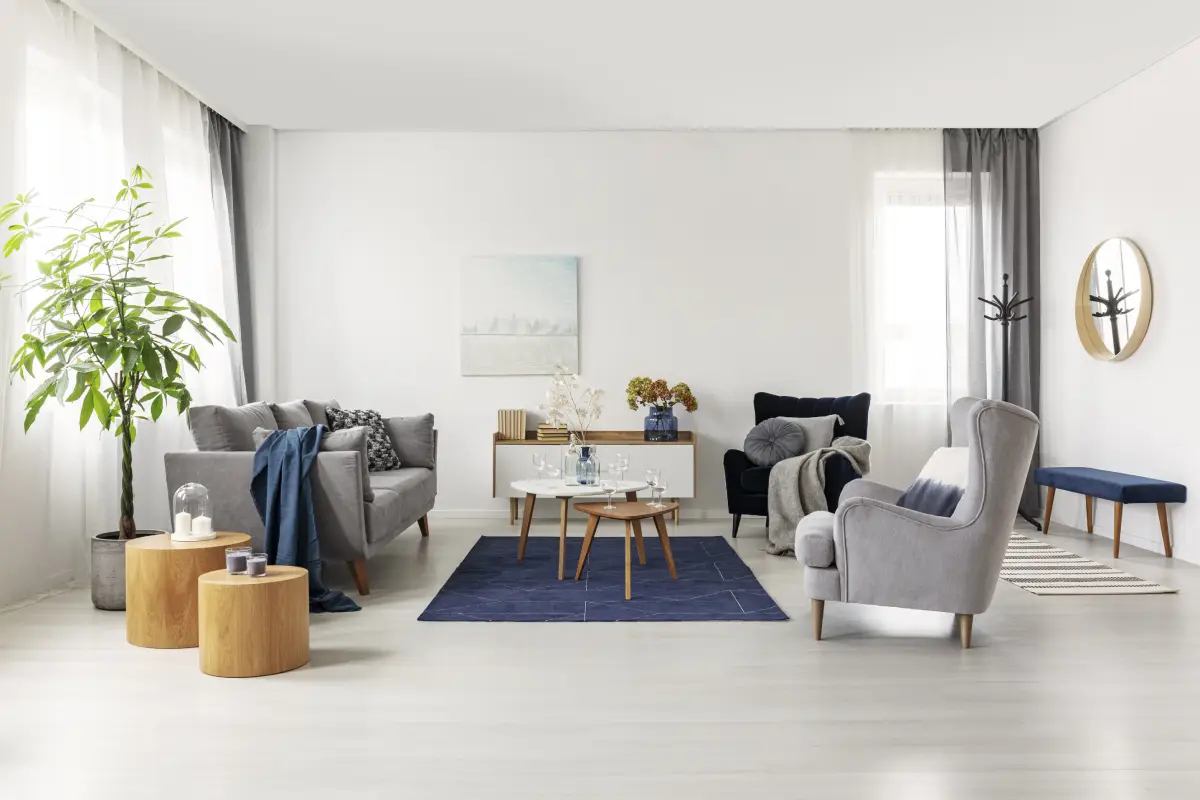
In Houston’s residential rental market, layout decisions often influence outcomes more than cosmetic upgrades, especially for owners reviewing rental value insights to guide performance. A home can look polished and still fall flat if the flow disrupts daily routines. When rooms connect naturally and privacy feels intentional, renters notice quickly and tend to stay longer.
Today’s residential tenants evaluate homes based on how well they support real life. They picture mornings, evenings, workdays, and weekends before they ever submit an application. Floor plans that feel intuitive and adaptable often outperform similar rentals with the same pricing but less thoughtful design.
Below, we’ll explore the layout features that help residential rentals in Houston attract stronger applicants, reduce turnover, and maintain long-term value.
Key Takeaways
- Thoughtful floor plans help Houston rentals lease faster and retain residents longer.
- Open living areas work best when balanced with quiet, private zones.
- Flexible spaces support modern work and lifestyle changes.
- Kitchen, laundry, and storage placement affect daily tenant comfort.
- Family- and pet-friendly layouts can reduce vacancy and wear.
Open Living Areas That Support Daily Flow
Open living spaces remain popular because they make homes feel brighter and easier to navigate. In Houston, where households often juggle work schedules, family needs, and social time, connected common areas help a home feel more functional without adding square footage.
Successful layouts still maintain structure. Renters enjoy openness, and they also want subtle separation between cooking, dining, and relaxing areas so spaces don’t feel undefined.
Why Open Plans Stay in Demand
National housing trends reflect this preference. According to the National Association of Home Builders, 54% of new homes include open kitchen and dining layouts, showing how strongly renters value connected living spaces.
Light and Visibility Matter
Living areas that connect cleanly to kitchens allow residents to supervise children, host guests, or move through the home without congestion. Clear sightlines also improve listing photos, which helps attract interest before showings even begin.
Bedroom Placement That Prioritizes Comfort
Bedrooms should feel restful, not like extensions of high-traffic zones. Placement affects noise, privacy, and daily harmony, especially in shared or multigenerational households.
In Houston, varied work schedules are common, making quiet sleeping areas a strong selling point. A layout that supports different routines can expand your applicant pool.
Split Layouts for Balance
Split-bedroom designs separate the primary bedroom from secondary rooms. This arrangement works well for roommates, families with teens, or households that host guests regularly.
Bathroom Access That Feels Logical
Renters notice bathroom placement quickly. Guest bathrooms should be accessible without passing through private spaces, while shared bathrooms should feel convenient to the bedrooms they serve. Small adjustments in access can greatly improve how a layout feels.
Flexible Rooms for Evolving Lifestyles
Flexibility has become a defining feature of strong rental layouts. Many renters want rooms that can change purpose as their needs shift over time.
Remote and hybrid work continue to shape housing decisions. As of 2025, there are 36.07 million remote part-time workers in the U.S., and even tenants who don’t work from home daily often want a quiet, adaptable space.
What Makes Flex Spaces Useful
A successful flex room isn’t overly specialized. It works best when it offers:
- Natural light
- Adequate outlets
- Some separation from main living areas
These features allow tenants to use the space consistently rather than treating it as temporary storage.
Kitchens Designed for Real Use
In residential rentals, kitchens function as daily workspaces. Tenants care about efficiency, storage, and movement more than luxury finishes.
A practical kitchen layout often delivers better tenant satisfaction than premium materials paired with poor design.
Keep the Workflow Efficient
Clear paths between the sink, stove, and refrigerator reduce frustration. Counter space near prep and cooking zones supports daily meals, while pantry placement close to work areas improves convenience.
If upgrades are planned, aligning layout changes with maintenance coordination tips can help ensure improvements stay functional and cost-effective over time.
Laundry Placement Tenants Appreciate
Laundry access plays a major role in rental appeal. In-unit laundry is widely expected in Houston, and placement affects how disruptive it feels.
Reduce Noise and Disruption
Laundry areas should be easy to reach without cutting through high-traffic living zones. Hallway closets work well when buffered from living rooms, while garage setups can succeed if lighting and access feel safe.
Plan With Maintenance in Mind
Washer and dryer placement should allow easy servicing. Tight or awkward installs can turn minor repairs into major projects. Understanding enhanced maintenance procedures helps owners plan layouts that remain practical long term.
Family-Friendly Layouts That Encourage Stability
Family households often prefer homes that support daily routines without friction. Family-friendly layouts tend to result in longer stays and fewer vacancies.
In Houston, this often means connected common areas paired with bedrooms that still feel calm and separated.
Features Families Notice Most
Family-oriented layouts often include:
- Open sightlines from kitchen to living spaces
- Bedrooms grouped logically or buffered by hallways
- Storage near entry points for daily essentials
The goal isn’t size, it’s placement that supports daily flow.
Pet-Friendly Flow Without Extra Wear
Pet ownership remains common among residential renters, and layouts that support pets responsibly often lease faster.
Easy outdoor access, durable flooring paths, and defined areas for feeding or crates help reduce wear while improving tenant satisfaction.
Pair Layout With Clear Expectations
Allowing pets works best when supported by thoughtful design and clear guidelines. Owners refining their approach can benefit from pet policy strategies that balance demand with protection.
Storage That Keeps Homes Functional
Storage strongly affects how livable a home feels after move-in. Without enough storage, renters end up improvising, which makes spaces feel cluttered even when the square footage is adequate.
Storage That Supports Daily Living
Focus on practical storage solutions such as:
- Entry closets for shoes and bags
- Linen storage near bathrooms
- Pantry space close to the kitchen
- Bedroom closets sized for real wardrobes
Garage storage can be an added benefit when access and lighting feel convenient.
Preserving Layout Performance Over Time
Even the best floor plan needs consistent care. High-use areas experience wear, and small issues can escalate quickly if left unattended.
We support residential rentals with an owner-focused approach, emphasizing livability and value protection through consistent oversight.
Use Prevention as a Planning Tool
Proactive care helps homes stay easier to rent and maintain. A structured approach like preventive maintenance planning reduces emergencies and keeps key systems performing as expected.
Areas That Benefit Most From Ongoing Care
Pay close attention to:
- Kitchens and bathrooms, where water issues escalate
- Flooring transitions and doors that affect movement
- Exterior access points, such as patios and sliding doors
When these elements stay functional, the layout continues to feel comfortable and intuitive.
FAQs about Creating the Best Floor Plan in Houston, TX
How can a floor plan influence the type of renters a property attracts?
Layouts that feel organized and intuitive often appeal to renters planning longer stays. When a home supports daily habits smoothly, it tends to draw residents who value consistency, care, and long-term comfort.
Do Houston renters notice layout issues during showings?
Yes. Renters often sense poor flow immediately, even if they can’t name it. Awkward transitions, tight walkways, or unclear room purpose can affect interest before finishes or amenities are considered.
Are certain room shapes or sizes less appealing in rentals?
Rooms that feel overly narrow, oddly angled, or difficult to furnish can limit how tenants imagine using the space. Balanced proportions usually make rooms feel more flexible and easier to personalize.
How does entryway design affect first impressions?
An entry that offers breathing room and storage helps renters feel oriented right away. When shoes, bags, and daily items have a place, the rest of the home feels calmer and more functional.
What’s a practical way to test if a layout works well?
Walking the home during different times of day helps reveal traffic issues, noise concerns, and lighting gaps. Observing how the space feels during real routines can highlight improvements worth making.
Designing Rentals That Stay Competitive
Great floor plans do more than impress during a showing. They quietly shape how residents feel living in the home week after week. In Houston, rentals that balance comfort, adaptability, and ease of movement tend to attract tenants who treat the space as a long-term fit rather than a temporary stop. When layouts support real routines, owners benefit from steadier occupancy and fewer disruptions.
At PMI Northwest Houston, we focus on protecting that day-to-day livability through reliable residential care and hands-on oversight. Preserve your rental’s performance and tenant experience when you keep your home operating smoothly with a maintenance approach built for Houston properties and real-world use.
